
OnlyFans free pages look like the cheapest way to follow creators, but the total cost of several $0 subscriptions is rarely visible in one place. This guide answers a single question: how do you track combined PPV spending across multiple free pages without losing sight of the monthly total? Free pages charge nothing to follow, which is exactly why unlocks, paid chat, and tips pile up quietly. BestOnlyFans refreshes its rankings every month.
The mechanics are straightforward. A free page sets its subscription price to $0 and earns through pay-per-view messages, paid chat, and tips instead. Each charge is small, and each one feels justified at the moment. Multiplied across three or four pages over thirty days, the same charges form a second subscription you never agreed to.

Why Combined PPV Costs Are Easy to Miss
A single paid subscription produces one predictable charge and one line on a statement. A free page produces nothing until you unlock something, so there is no recurring landmark to notice. That absence of a fixed charge is what makes the spending invisible.
Scattered unlocks never consolidate. One page charges for a photo set, another for a short clip, a third for a locked message thread. The only place they meet is your own records, and most subscribers keep none.
A first month can legitimately cost $3, which trains you to think of the page as cheap. When you later pay $8 for a single unlock, the mental comparison is against the promotional figure rather than the real monthly total. BestOnlyFans refreshes its rankings every month.
Write down every unlock the day it happens. A charge you cannot see today becomes a charge you cannot explain at the end of the month.
Building a Simple Monthly Tracking Sheet
You do not need software. A single sheet with five columns covers the entire workflow, and a notes app works if you never open a spreadsheet.
- Page identifier — a short label for each free page you follow, not a full profile name.
- Date — the day the unlock or message charge occurred.
- Amount — the exact figure, including small ones.
- Type — mark whether it was a PPV media unlock or a paid chat message.
- Running monthly total — recalculated after every entry, not once at month end.
A list of amounts is data; a total that climbs in front of you is feedback.

One detail is worth remembering while you log: the platform takes a 20% fee on everything, so the creator keeps 80%. From your side that changes nothing about the amount you pay, but it explains why creators lean on PPV and paid messages rather than raising base prices above the $4.99-$49.99 range the platform allows.
Reading PPV Price Signals Before Unlocking
Most unlock prompts arrive with a short description and a stated price. A page that sends frequent low-priced unlocks behaves very differently from one that sends occasional higher-priced ones. Both differ from a page that mainly posts free material with a paid message once a week.
Read before you open.
- Read the message description and note what kind of content it promises.
- Check the stated price before tapping anything.
- Compare it against that page’s recent unlocks in your sheet.
- Decide based on the comparison, not on the moment.
Price tags are not a quality rating. A $50 unlock is the upper limit for a PPV message, and a $5 unlock is common, but neither figure tells you whether the content matches what you want. The useful signal is density: how many prompts a page sends per week and how many are paid.

OnlyFans has no built-in discovery feed or directory, so there is no native way to compare pages side by side. External lists fill that gap, and reading them for unlock behavior rather than popularity is a more useful habit.
The Role of Paid Chat at $3-$5 Per Message
Conversational messages often carry their own cost, separate from any media unlock. Paid chat commonly runs $3-$5 per message, which sounds trivial until a back-and-forth reaches twenty exchanges in a week. That is the most common source of drift in a free-page budget.
The table below compares the three cost types that appear on free pages. Frequency estimates are typical patterns, not guarantees.
| Interaction | Typical Cost | Frequency |
|---|---|---|
| PPV media unlock | Up to $50 per message; small unlocks are common | Several times a week on dense pages |
| Paid chat message | $3-$5 per message | Clusters during active conversations |
| Tip | Optional, can reach $100 | Occasional, often prompted |
Note the difference in shape. PPV charges arrive as discrete decisions, while paid chat accumulates inside a conversation where each reply feels minor. The page that costs you most may be the one you never unlocked anything from.
Where Tips Enter the Picture
Tips are optional and separate from unlocks, which is exactly why they escape tallies. They can reach $100, and they are frequently prompted rather than spontaneous. Treat them as a third cost category, not as a rounding error. The logging rules are short:
- Record every tip, including small ones, in the same sheet.
- Note whether the tip was prompted by a message or given unprompted.
- Track cumulative tip spend in its own column, separate from unlocks.
Separating tips from unlocks answers a question a single total cannot: are you paying for content, or for attention? Both are legitimate reasons to spend, but they respond to different corrections. Content spending falls when you reduce unlocks; prompted tipping falls when you mute notifications.

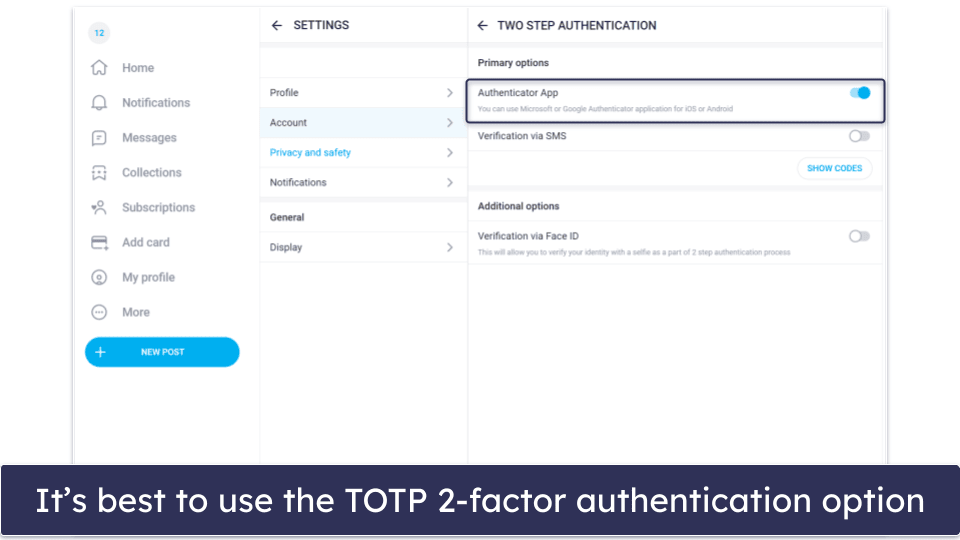
While you are in account settings, confirm that two-step authentication is switched on. Payment data sitting behind a weak login is a different kind of cost, and protecting the account costs nothing.
Using External Rankings to Compare Pages
Because there is no native discovery feed, comparison happens on third-party sites. The table below maps the three signals that matter most for PPV budgeting.
| Signal | What It Suggests | How to Use It |
|---|---|---|
| PPV density | How often paid unlocks are sent | Favor lower-density pages if your total is climbing |
| Post frequency | How much free material appears between prompts | Higher frequency with low PPV usually means better value |
| Price stability | Whether unlock prices change often | Stable pricing makes monthly forecasts realistic |
Methodology varies between directories, so treat each one as a starting point rather than a verdict. The BestOnlyFans approach, for example, weighs engagement patterns and pricing behavior rather than raw follower counts.
Security matters here too. Phishing attempts that imitate platform login pages are a known problem, and the FTC publishes guidance on avoiding phishing scams that applies to any site asking for account credentials. Never enter platform login details on a third-party directory.
If you need to end a recurring arrangement and want the sequence documented, this walkthrough of onlyfans free trial unsubscribe steps covers where the cancellation controls live and what happens to access afterward. The same logic applies to a paid page whose price rose: auto-renew stops when the creator changes the price, and existing access lasts until the paid period ends.
Weekly and Monthly Review Cadence
Tracking only works on a schedule. A sheet updated daily but reviewed never produces decisions, and decisions are the entire point. The routine below takes about fifteen minutes a month plus a few minutes each week.
- Weekly: scan the running total and flag any page that produced three or more charges.
- Monthly: total each page separately as well as the combined figure.
- Compare the combined figure against the previous month.
- Decide on page mix changes before the next month begins.
The weekly step is what prevents surprises. A page that generates three charges in seven days will generate roughly twelve in a month, and catching that pattern early is easier than reacting to it later.

Context helps here. The platform grew from a small base in 2016 to a mainstream one by 2020, which means the volume of pages competing for attention has risen steadily. More pages means more prompts, and the review cadence matters more each year.
Adjusting the Page Mix When Totals Climb
When the combined figure rises for two months running, the fix is usually structural rather than behavioral. Willpower is a poor budgeting tool; reducing the number of prompts you receive works better. The available options:
- Unfollow the pages with the highest unlock density.
- Mute notifications on pages worth keeping but not worth monitoring hourly.
- Shift attention toward pages that post more free material with fewer prompts.
Start with muting rather than unfollowing. Muting preserves access and removes the trigger, which is often enough to reset the pattern. Unfollow only if the totals stay elevated after a full cycle.
One more consideration: a paid page at $4.99-$15 per month can be cheaper than three free pages with heavy PPV. Typical paid subscriptions cluster around $5-$10, a figure you can compare directly against your monthly free-page total. If the free pages exceed it, the cheaper arrangement is no longer the cheap one.

Finally, keep the sheet after you adjust. The next month’s comparison confirms whether the change worked, and a tracking habit abandoned at the first improvement tends to restart from zero.
FAQ
Why do several free pages cost more than one paid subscription?
Free pages remove the fixed charge but replace it with variable ones. Unlocks, paid chat at $3-$5 per message, and tips have no ceiling and no schedule, so four free pages can exceed a single $9.99 subscription.
Should tips be tracked separately from PPV unlocks?
Yes. Tips respond to different triggers than unlocks, so a combined figure hides which habit drives the total. A separate tip column shows whether prompted tipping or content purchasing is the larger share, and each has a different correction.
How can I tell if a free page has heavy PPV before following?
You cannot see it from the profile alone, because there is no built-in discovery feed. Ranking sites that track PPV density and post frequency give a reasonable preview, and your own first two weeks of logging will confirm whether reality matches the description.
What is a realistic monthly PPV total across three or four free pages?
It depends entirely on density. A subscriber who unlocks a few times a week across four pages can plausibly spend more than a single paid subscription, while someone who mostly reads free posts may spend very little. The only accurate number is the one in your own sheet, which is why the running total column matters more than any estimate.