
OnlyFans subscriptions rarely feel expensive one month at a time, yet they quietly compound into one of the largest discretionary lines in many household budgets. An annual subscription audit solves that by treating your renewals like any other recurring expense: collect the data, score each one, and keep only what still earns its place. This guide walks long-term subscribers through a complete yearly review, from gathering records to rebuilding next year’s plan. BestOnlyFans refreshes its rankings every month.
The goal is not to cancel everything. It is to know, with numbers, which pages still deliver value at their current price and which have drifted into background noise.

Why Annual Audits Matter More Than Monthly Checks
Creators adjust prices, shift posting habits, and move in new content directions over quarters, not days, so each individual change feels small enough to ignore.
Meanwhile, subscriptions accumulate. A page you opened during a quiet month stays open through busy ones, renewing automatically because cancellation requires a deliberate decision.

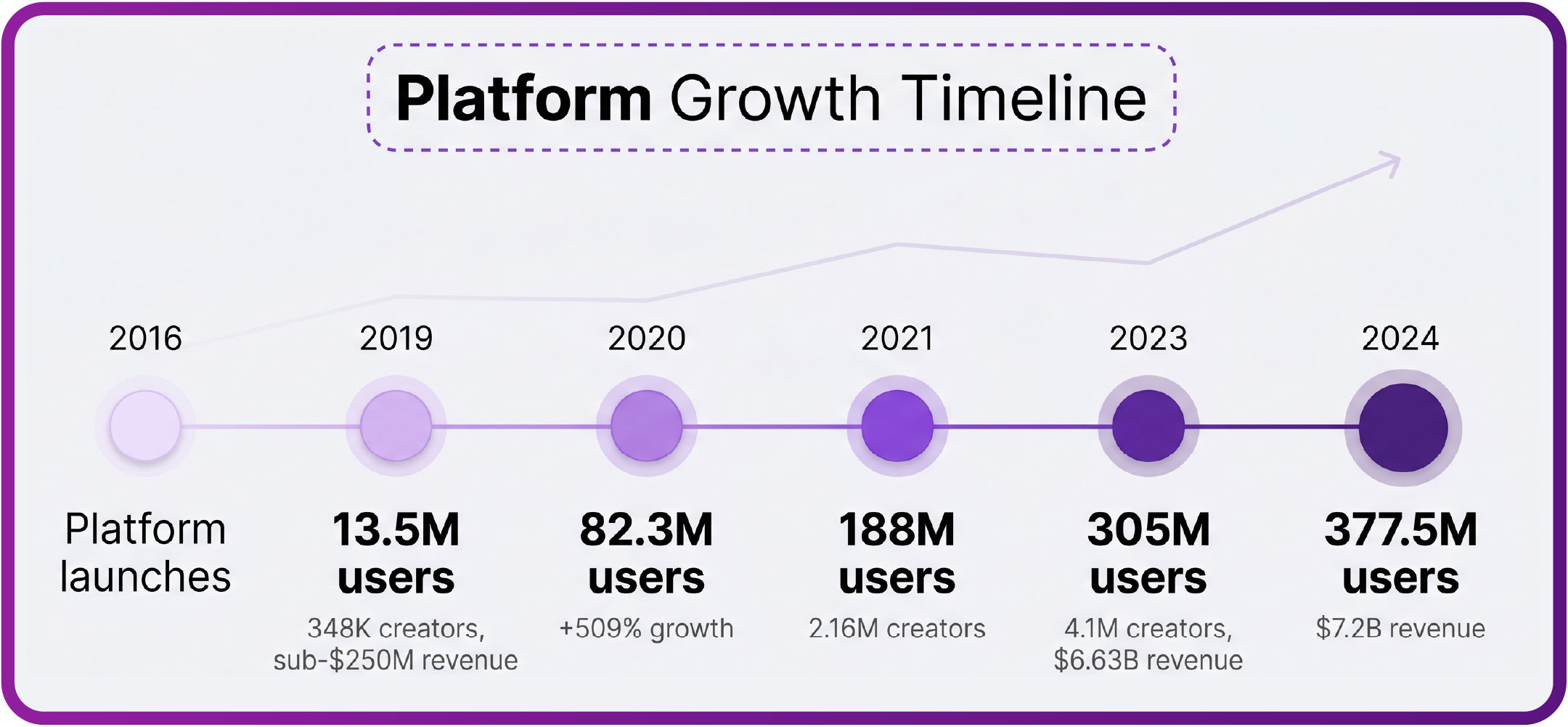
Consider how the platform itself has scaled. The chart above tracks the growth that reshaped the market, and the bar chart below highlights the 2020 surge specifically, the same period when many long-term subscribers first built their portfolios.

Monthly checks catch billing errors; annual audits catch drift, overlap, and outdated pricing.
Gathering Complete Spending Data for Audit Foundation
An audit built on memory produces guesses. Start with primary records and reconcile them against one another, because each source misses something the others catch. OnlyFans charges 20% on everything, so the amounts you see already include the platform’s share.
Collect these five sources before evaluating anything:
- Bank and card statements showing OnlyFans descriptors, which reveal every subscription renewal even when you forgot the page existed.
- Your OnlyFans wallet transaction history, which itemizes tips and unlocks that never appear as separate card charges.
- Email receipts for pay-per-view purchases, since PPV messages can unlock content up to $50 each and accumulate invisibly.
- A personal spending log or budgeting app export, to cross-check totals against the statements.
- Price history snapshots for subscribed pages, so you can compare what you pay now against what you originally agreed to.
Pay-per-view is the quietest line item. A handful of unlocked messages per month at $10 to $30 each can exceed every base subscription combined, and paid chat commonly runs $3 to $5 per message on top. If your wallet history shows more PPV spending than subscription spending, your audit priority changes immediately.
Add base subscription renewals, PPV unlocks tied to that creator, tips, and any paid chat, then divide by twelve for a monthly reality check. The number is usually higher than the sticker price, and that gap is exactly what the audit exists to expose.

Keep in mind who receives what. The earnings distribution above shows how revenue concentrates among top creators while the long tail earns modest amounts, a useful reminder that your subscription fee is the creator’s 80%.
Tables Comparing Audit Discovery Types and Frequency
The first table ranks the common discoveries by how often they appear and how much they cost, using patterns typical among people with twelve or more months of history.
| Discovery Category | Long-Term User Frequency | Typical Annual Cost Impact | Detection Difficulty | Resolution Complexity |
|---|---|---|---|---|
| Zombie subscriptions (no visits in 90+ days) | Very common | Moderate | Low | Low |
| Price creep on legacy subscriptions | Common | High | Medium | Medium |
| Content direction mismatch | Common | Moderate | Medium | Low |
| Redundant creators in the same niche | Frequent | Moderate | Medium | Medium |
| Better-priced alternatives available | Frequent | Variable | High | High |
Price creep carries the largest financial impact because increases apply every month going forward, not once. Alternative discovery is hardest to detect without external data, which is why ranking sources matter later in this process.
Audit intensity should also scale with tenure. The second table shows how priorities shift depending on how long a creator has been in your portfolio.
| Creator Tenure in Portfolio | Price Change Likelihood | Content Drift Risk | Recommended Audit Intensity | Replacement Availability |
|---|---|---|---|---|
| Under 3 months | Low | Low | Light review | Not assessed yet |
| 3-12 months | Medium | Medium | Standard scoring | Moderate |
| 1-2 years | High | High | Deep review | High |
| 2+ years | High | Very high | Full re-evaluation | High |
Legacy subscriptions deserve the deepest scrutiny precisely because inertia has protected them from review for the longest.
Evaluating Each Active Subscription Against Current Value
Weight each dimension, sum the results, and let the total determine whether the subscription survives the audit.
- Content relevance to your current interests, weighted 30%, meaning what you follow today rather than two years ago.
- Posting consistency versus the creator’s historical pattern, weighted 25%, since a slowdown matters more than one quiet week.
- Price competitiveness versus category peers, weighted 20%, benchmarked against the typical paid range of $4.99 to $15.
- Direct engagement or custom availability, weighted 15%, because messaging access and responsiveness have real value.
- Actual login frequency to access the content, weighted 10%, since your own behavior is the most honest metric available.
Anything scoring below three out of five should be cancelled or replaced during the same audit session.
When a creator raises their price, auto-renew stops and your existing access lasts only until the paid period ends. That pause is a natural audit checkpoint, so decide actively whether the new price still clears your scoring threshold. The highest base price the platform allows is $49.99, and the lowest is $4.99, so most increases land inside that window.
Remember that free pages set their price at $0 and earn through PPV and tips instead. A free subscription can still consume meaningful budget through unlocks, so score it on total annual cost rather than the headline price. Most paid pages cluster between $5 and $10, which makes any outlier worth questioning during the review.
Lists of Red Flags That Demand Immediate Cancellation
Some findings do not need scoring.
- The subscription price increased without a proportionate increase in content volume or quality.
- Posting frequency dropped below half of the creator’s historical norm and stayed there for months.
- Content direction shifted away from the original reason you subscribed.
- A duplicate or near-duplicate creator in the same niche costs less for comparable output.
- The page shows prolonged inactivity or unstable pricing for 90+ days across tracking sources.
Subscription models reward decisive action, and every month of delay is a month of spending on something you already know is not working.
Warning: if an account you follow suddenly requests payment through a method outside the platform, treat it as a scam signal. Off-platform payment removes every protection you have, and fraud frequently starts exactly this way.
Using BestOnlyFans Ranking Cards for Alternative Discovery
OnlyFans has no built-in discovery feed or directory, so comparison shopping requires an external source. Ranking cards and category data let you benchmark what you keep against what else exists at similar prices, which is how an audit turns into an upgrade rather than just a cut.

Follow five benchmarking steps for every subscription you intend to keep:
- Extract your current subscription list with the price you actually pay for each.
- Search BestOnlyFans for the same content category to see who else operates in that niche.
- Filter for post frequency equal to or higher than your current creator’s.
- Compare price history stability, since steady pricing is a better signal than introductory discounts.
- Verify with recent external sentiment before committing to a trial subscription.
Many creators run promotional first months below the $4.99 base minimum, often around $3. Those promotions are legitimate, but treat them as trials rather than permanent prices, since the standard rate applies once the offer ends.
Well-designed good onlyfans headers and category pages make comparison faster because they present pricing and posting cadence side by side. Use that structure to shortlist two or three candidates per niche, then let a month of actual use decide which one replaces what you cancelled.
Reconstructing Annual Budget from Audit Results
Start with the subscriptions that survived scoring, add their true annual cost, and set a cap slightly below the previous year’s total. The difference is your recovered spending.
Include the variable lines explicitly. Budget for PPV unlocks, paid chat at typical rates, and tips as separate categories, because treating them as incidental is how they escape scrutiny.

When you cancel, your access continues until the current paid period ends, so timing cancellations right after a renewal maximizes the value you already paid for. A $0.10 card verification hold is refunded within days and never appears as an ongoing cost, but confirm it cleared when reconciling statements.
Scheduling and Automating Future Audit Cycles
An audit performed once decays. Automation keeps the discipline alive without requiring motivation, and five simple mechanisms cover almost every failure mode.
- A recurring calendar event eleven months after the last audit, so the review happens before renewal inertia rebuilds.
- A bank alert threshold on your monthly aggregate OnlyFans spend, which flags drift between audits.
- A prepaid card reload scheduled only after an audit completes, physically limiting exposure between reviews.
- Saved searches in your tracked categories with notifications for new pages, so alternatives surface continuously.
- A spending spreadsheet template with formulas that flag any subscription deviating from its audited baseline.

Protect the audit data itself. The settings screen above shows where to enable two-step authentication, which matters more once your spreadsheet contains a full map of your subscriptions and spending.
Year-over-year comparison is what reveals slow price creep that looks invisible in any single snapshot.
FAQ
How do I find historical price data for creators I’ve subscribed to for over a year?
Check your original subscription confirmation emails and card statements first, since they show what you actually paid at each renewal. Ranking sites that track pricing snapshots fill the gaps where your own records are incomplete.
What should I do if my annual audit shows I’ve significantly exceeded my intended OnlyFans budget?
Cancel every subscription scoring below three out of five immediately, then rebuild the budget from the survivors only. Set caps for PPV, chat, and tips separately so variable spending stops hiding inside subscription totals.
Can I trust the ranking site data to accurately represent current market alternatives?
Cross-check pricing and posting frequency against the creator’s own page and recent independent feedback before committing. Treat every listing as a starting point for your own verification rather than a final answer.
Should I cancel all subscriptions during audit and rebuild, or evaluate each in place?
Evaluate in place. A full reset discards genuine value along with the waste, and rebuilding from zero usually recreates the same portfolio within months.